2026 Art Basel Hong Kong: Jiang Cheng

BANK at Art Basel Hong Kong 2026
Booth 1D37
2026.3.25-2026.3.29
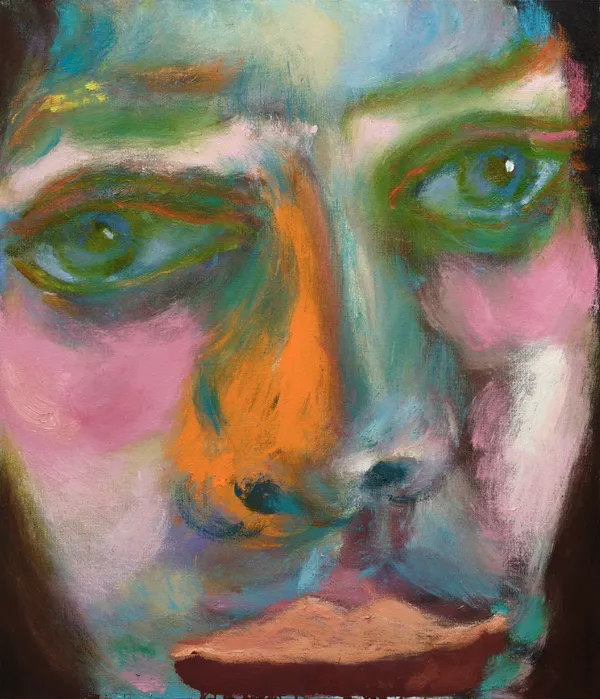
BANK is pleased to present a solo exhibition by Shanghai-based, Jiang Cheng at Art Basel Hong Kong. Central to Jiang’s rigorous painting practice is an inquiry into “seeing and the structures it produces.” Since 2018, he has developed the “U”, (you) series as the core of his artistic output—a body of work depicting fictional human faces grounded in a painterly language that foregrounds physicality. “U” refers both to the canvas as a surface marked by gesture and to a more primordial world beyond conscious thought.
In Jiang’s process, factors such as scale, distance, and physical exertion come into play, subtly shaping the final image. By relinquishing habitual modes of looking, the artist allows the conscious control of the body to fall away, bringing painting into a liminal space between seeing and possessing. He describes this sensation as “the shiver”, which is a return to the physical.
Jiang’s paintings often begin with a gesture or an emotion, with no predetermined identity assigned to the figure. Forms emerge and dissolve through layers of oil. Traces of multiple eyes, lips and noses often appear across the canvas—a result of the artist constantly rotating the surface to interrupt the compositional pull of the image. For Jiang, portraiture operates in a space of indeterminacy. Narrative is withheld; identity remains unfixed. It is precisely in this interval that Jiang’s painterly language takes shape. In recent iterations of the “U” series, two recurring characters have emerged: “Michael” and “Gabriel,” each bearing faces that are at once human and angelic.
In his newest works, figures appear lit from below by ominous neon hues, caught in expressions of surprise—as though suddenly aware of the viewer, or of their own existence. Over time, these figures seem to drift beyond the artist’s reach, assuming their own will and, at times, a wary vigilance toward being watched. Painting, in this sense, becomes a self-sufficient world—hovering at the edge of control and its loss, waiting for viewers to enter, and for consciousness, however briefly, to slip its moorings.